

Understanding the Wonder of the Coppice
Coppiceing, a traditional method of woodland management, features the periodic cutback of trees to stimulate their growth. Originating in the medieval times, this practice has observed a resurgence in recent years due to its numerous ecological benefits. Primarily, deciduous trees like oak, ash, hazel, and willow are coppiced, producing a ‘coppice stool’ from which new shoots grow.
In essence, coppicing extends the lifespan of trees and promotes greater biodiversity. A well-managed coppice can be harvested repeatedly over its life, providing a renewable source of timber and firewood, without the need to replant. This sustainable method also helps in supporting a range of wildlife, as coppice cycles of growth provide varied habitats.
7 Remarkable Benefits of the Coppice
- Eco-friendly management of woodlands.
- Production of a sustainable source of firewood, timber, and other products.
- Extended lifespan of coppiced trees.
- Enriched biodiversity due to variably aged habitats.
- Enhanced landscape aesthetics owing to the cyclic nature of coppices.
- Coppices act as natural carbon sinks, helping to offset carbon emissions.
- Supports traditional rural crafts and skills.
The coppice system greatly contributes to maintaining the British landscape’s character. By creating a patchwork pattern of differently aged stands of trees, it allows continuous canopy cover, benefiting a range of wildlife, including rare and threatened species. The cleared areas allow sunlight to reach the woodland floor, encouraging the growth of wildflowers and aiding insects and birds.
Moreover, apart from its ecological advantages, coppicing supports rural economies. Many coppice products like charcoal, walking sticks, hurdling, and thatching spars find a place in traditional crafts, fueling trades and crafts that might otherwise disappear. Regular ongoing management also offers job opportunities in rural areas.
An Overview of the Unique Selling Points of Coppice
| • Substantial ecological benefits including supporting biodiversity and acting as a carbon sink. |
| • Provides a sustainable source of various wood products. |
| • Contributes to maintaining the charming character of the British landscape. |
| • Supports traditional rural crafts and economies. |
If trees could speak, they would surely thank the keepers of the coppice. By extending their lifespan and nurturing flourishing ecosystems, coppicing invests not only in the trees but the life they sustain and the landscape they adorn. With a host of advantages packed into its age-old techniques, coppicing truly is an unsung hero in the world of woodland management.
So, the next time you view a delightful patchwork of woodland or come across coppice-created crafts, take a moment to appreciate the coppice and its remarkable role in crafting beautiful landscapes and nurturing biodiversity. Remember, the charm of the countryside that we utterly adore is silently maintained by these wonderful practices like coppicing!
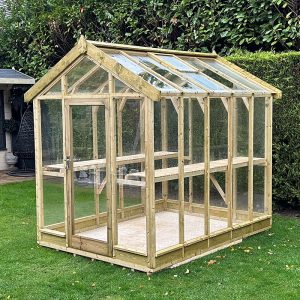
Buy Sheds Direct
4’4 x 4’9 Coppice Ashdown Apex Wooden Greenhouse (1.32m x 1.45m) by Buy Sheds Direct
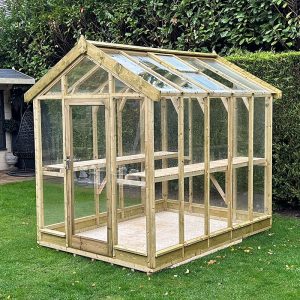
Buy Sheds Direct
5’3 x 4’9 Coppice Ashdown Apex Wooden Greenhouse (1.6m x 1.45m) by Buy Sheds Direct
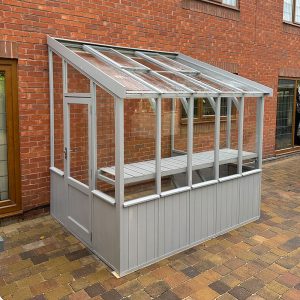
Buy Sheds Direct
4’2 x 4’9 Coppice Hatfield Lean To Painted Wooden Greenhouse (1.27m x 1.45m) by Buy Sheds Direct
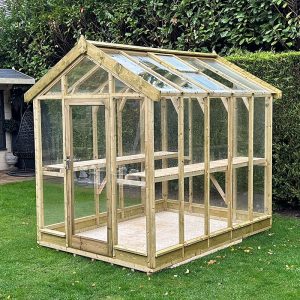
Buy Sheds Direct
5’3 x 6’4 Coppice Ashdown Apex Wooden Greenhouse (1.6m x 1.93m) by Buy Sheds Direct
Buy Sheds Direct
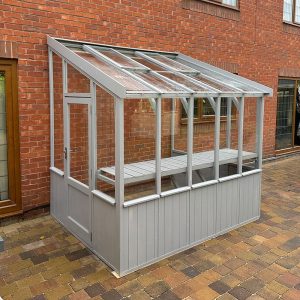
4’2 x 6’4 Coppice Hatfield Lean To Painted Wooden Greenhouse (1.27m x 1.93m) by Buy Sheds Direct
Buy Sheds Direct
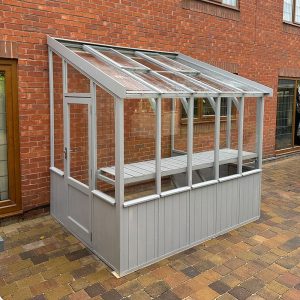
5’1 x 4’9 Coppice Hatfield Lean To Painted Wooden Greenhouse (1.55m x 1.45m) by Buy Sheds Direct
Buy Sheds Direct
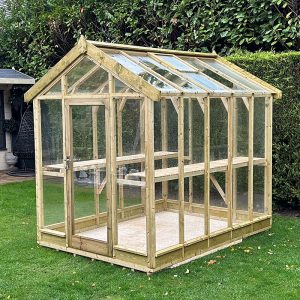
6’3 x 6’4 Coppice Ashdown Apex Wooden Greenhouse (1.91m x 1.93m) by Buy Sheds Direct
Buy Sheds Direct
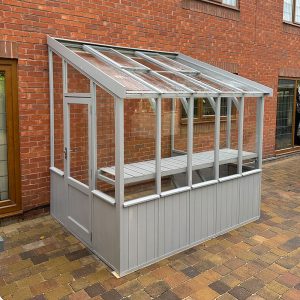
5’1 x 6’4 Coppice Hatfield Lean To Painted Wooden Greenhouse (1.55m x 1.93m) by Buy Sheds Direct
Buy Sheds Direct
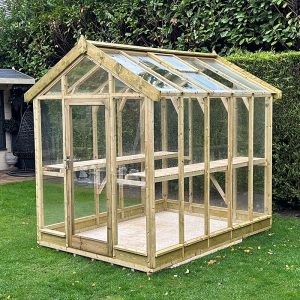
4’4 x 7’10 Coppice Ashdown Apex Wooden Greenhouse (1.32m x 2.4m) by Buy Sheds Direct
Buy Sheds Direct
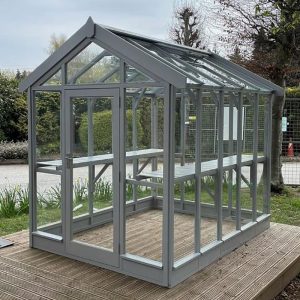
4’4 x 4’9 Coppice Ashdown Apex Painted Wooden Greenhouse (1.32m x 1.45m) by Buy Sheds Direct
Buy Sheds Direct
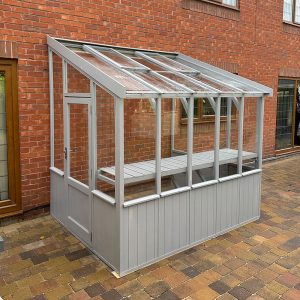
4’2 x 7’10 Coppice Hatfield Lean To Painted Wooden Greenhouse (1.27m x 2.4m) by Buy Sheds Direct
Buy Sheds Direct
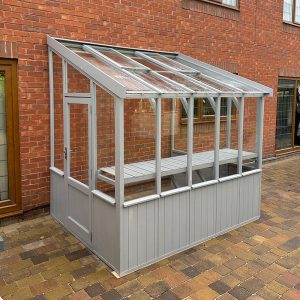
5’1 x 7’10 Coppice Hatfield Lean To Painted Wooden Greenhouse (1.55m x 2.4m) by Buy Sheds Direct
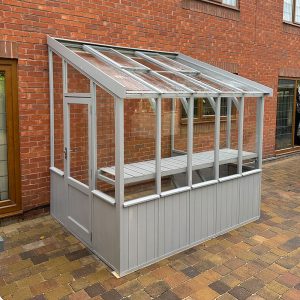
Buy Sheds Direct
6’1 x 4’9 Coppice Hatfield Lean To Painted Wooden Greenhouse (1.86m x 1.45m) by Buy Sheds Direct
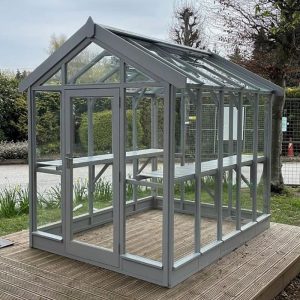
Buy Sheds Direct
5’3 x 4’9 Coppice Ashdown Apex Painted Wooden Greenhouse (1.6m x 1.45m) by Buy Sheds Direct
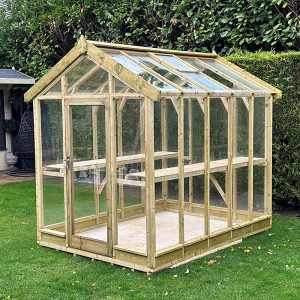
Buy Sheds Direct
4’4 x 9’4 Coppice Ashdown Apex Wooden Greenhouse (1.32m x 2.85m) by Buy Sheds Direct
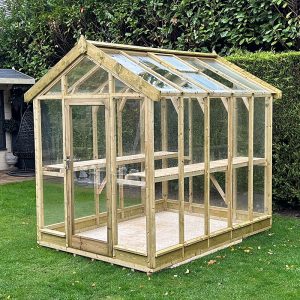
Buy Sheds Direct
5’3 x 9’4 Coppice Ashdown Apex Wooden Greenhouse (1.6m x 2.85m) by Buy Sheds Direct
Buy Sheds Direct
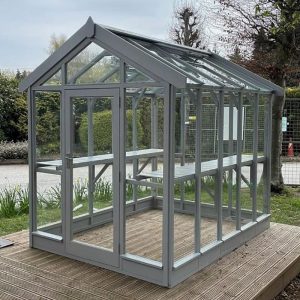
5’3 x 6’4 Coppice Ashdown Apex Painted Wooden Greenhouse (1.6m x 1.93m) by Buy Sheds Direct
Buy Sheds Direct
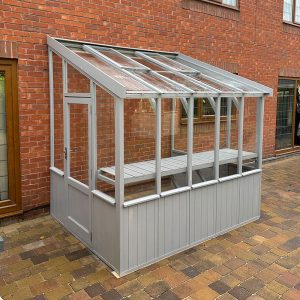
4’2 x 9’4 Coppice Hatfield Lean To Painted Wooden Greenhouse (1.27m x 2.85m) by Buy Sheds Direct
Buy Sheds Direct
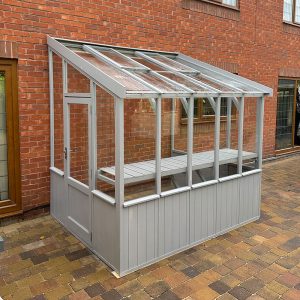
6’1 x 6’4 Coppice Hatfield Lean To Painted Wooden Greenhouse (1.86m x 1.93m) by Buy Sheds Direct
Buy Sheds Direct
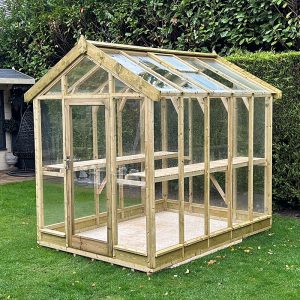
6’3 x 9’4 Coppice Ashdown Apex Wooden Greenhouse (1.91m x 2.85m) by Buy Sheds Direct
Buy Sheds Direct
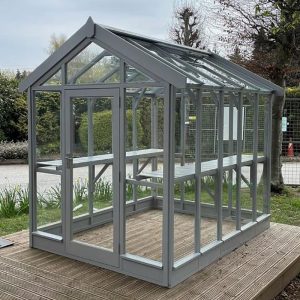
6’3 x 6’4 Coppice Ashdown Apex Painted Wooden Greenhouse (1.91m x 1.93m) by Buy Sheds Direct
Buy Sheds Direct
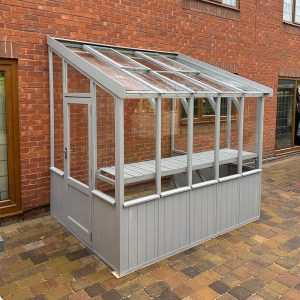
5’1 x 9’4 Coppice Hatfield Lean To Painted Wooden Greenhouse (1.55m x 2.85m) by Buy Sheds Direct
Buy Sheds Direct
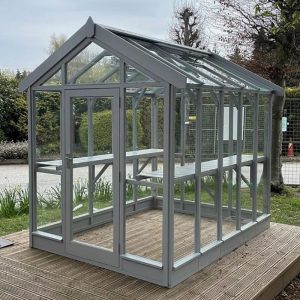
4’4 x 7’10 Coppice Ashdown Apex Painted Wooden Greenhouse (1.32m x 2.4m) by Buy Sheds Direct
Buy Sheds Direct
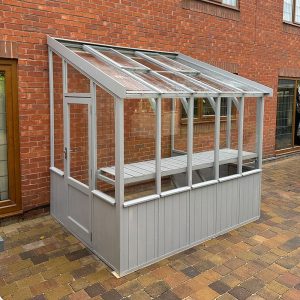
6’1 x 7’10 Coppice Hatfield Lean To Painted Wooden Greenhouse (1.86m x 2.4m) by Buy Sheds Direct
Buy Sheds Direct
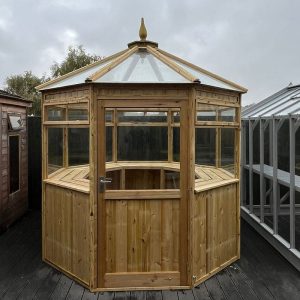
7’10 x 7’10 Coppice Thetford Octagonal Wooden Greenhouse (2.39m x 2.39m) by Buy Sheds Direct
Buy Sheds Direct
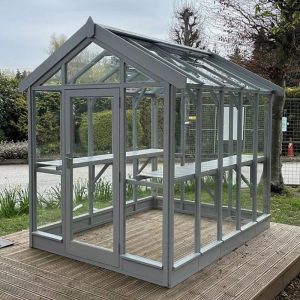
4’4 x 9’4 Coppice Ashdown Apex Painted Wooden Greenhouse (1.32m x 2.85m) by Buy Sheds Direct
Buy Sheds Direct
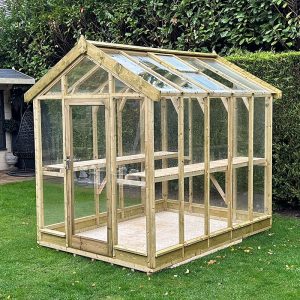
8’3 x 4’9 Coppice Ashdown Apex Wooden Greenhouse (2.52m x 1.45m) by Buy Sheds Direct
Buy Sheds Direct
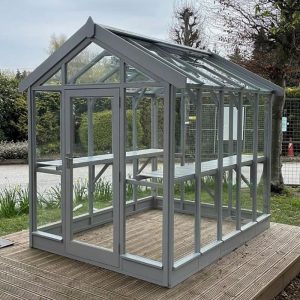
5’3 x 9’4 Coppice Ashdown Apex Painted Wooden Greenhouse (1.6m x 2.85m) by Buy Sheds Direct
Buy Sheds Direct
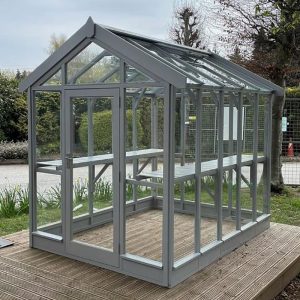
6’3 x 9’4 Coppice Ashdown Apex Painted Wooden Greenhouse (1.91m x 2.85m) by Buy Sheds Direct
Buy Sheds Direct
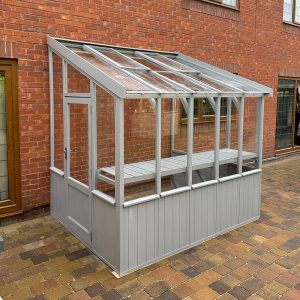
6’1 x 9’4 Coppice Hatfield Lean To Painted Wooden Greenhouse (1.86m x 2.85m) by Buy Sheds Direct
Buy Sheds Direct
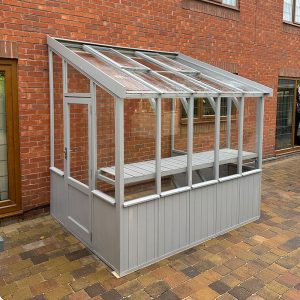
8’1 x 4’9 Coppice Hatfield Lean To Painted Wooden Greenhouse (2.47m x 1.45m) by Buy Sheds Direct
Buy Sheds Direct
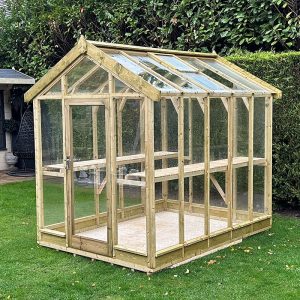
8’3 x 7’10 Coppice Ashdown Apex Wooden Greenhouse (2.52m x 2.4m) by Buy Sheds Direct
Buy Sheds Direct
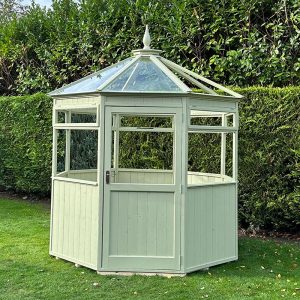
7’10 x 7’10 Coppice Thetford Octagonal Painted Wooden Greenhouse (2.39m x 2.39m) by Buy Sheds Direct
Buy Sheds Direct
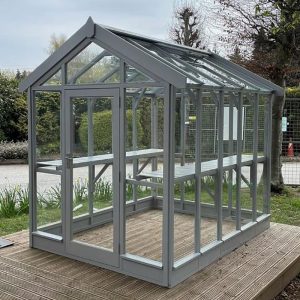
8’3 x 4’9 Coppice Ashdown Apex Painted Wooden Greenhouse (2.52m x 1.45m) by Buy Sheds Direct
Buy Sheds Direct
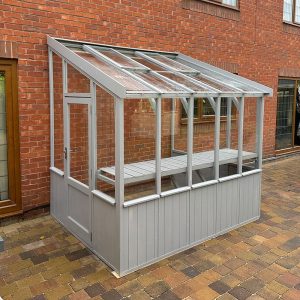
8’1 x 6’4 Coppice Hatfield Lean To Painted Wooden Greenhouse (2.47m x 1.93m) by Buy Sheds Direct
Buy Sheds Direct
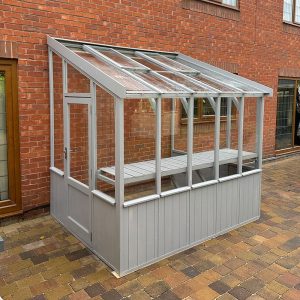
8’1 x 7’10 Coppice Hatfield Lean To Painted Wooden Greenhouse (2.47m x 2.4m) by Buy Sheds Direct
Buy Sheds Direct
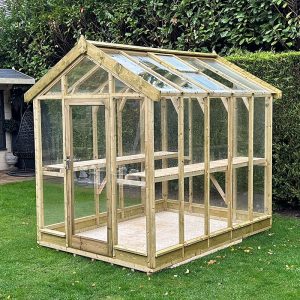
8’3 x 9’4 Coppice Ashdown Apex Wooden Greenhouse (2.52m x 2.85m) by Buy Sheds Direct
Buy Sheds Direct
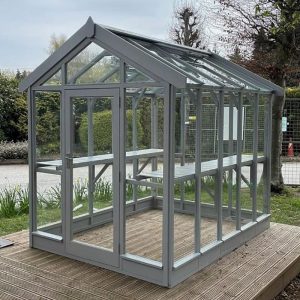
8’3 x 6’4 Coppice Ashdown Apex Painted Wooden Greenhouse (2.52m x 1.93m) by Buy Sheds Direct
Buy Sheds Direct
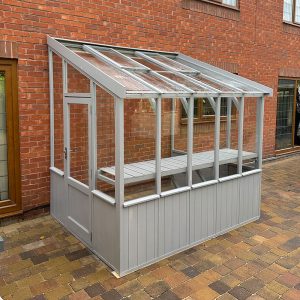
8’1 x 9’4 Coppice Hatfield Lean To Painted Wooden Greenhouse (2.47m x 2.85m) by Buy Sheds Direct
Buy Sheds Direct
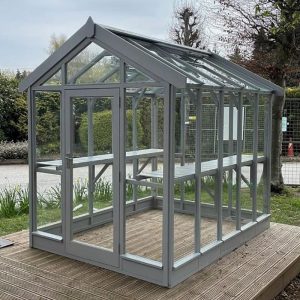
8’3 x 7’10 Coppice Ashdown Apex Painted Wooden Greenhouse (2.52m x 2.4m) by Buy Sheds Direct
Buy Sheds Direct
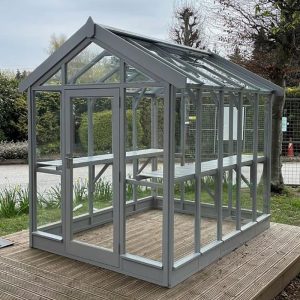
8’3 x 9’4 Coppice Ashdown Apex Painted Wooden Greenhouse (2.52m x 2.85m) by Buy Sheds Direct